
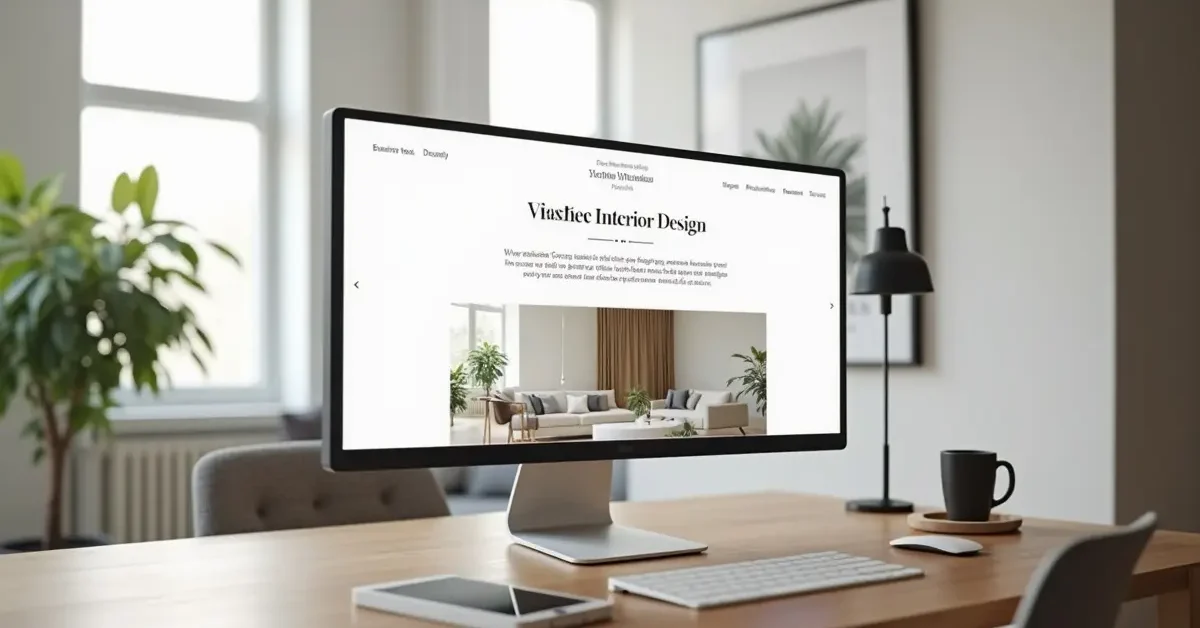
In the ever-evolving landscape of web design, minimalism has emerged as a powerful approach to creating user-friendly and aesthetically pleasing websites. By focusing on simplicity and functionality, minimalist design enhances user experience and ensures content stands out. By embracing a minimalistic UI, designers can craft digital experiences that are clean, effective, and visually appealing for users on any device.
Minimalist web design is more than just removing clutter. It is about purposeful restraint, using deliberate design choices to make every element earn its place. When executed well, this approach brings clarity to websites and fosters engaging interactions by focusing attention on what truly matters. These principles are not only timeless but have been adopted by many of today’s most influential brands and digital platforms.
Whether you’re updating an existing website or creating a new one from scratch, understanding the fundamentals of minimalism will help you deliver impactful results. As trends shift and users demand faster, more intuitive experiences, mastering minimalist web design becomes essential for digital success.
From streamlining navigation to leveraging whitespace, there are proven strategies to help your site stand out for the right reasons. With thoughtful design, minimalist principles continue to inform a diverse range of web experiences, from sleek personal portfolios to major e-commerce platforms.
Principles of Minimalist Web Design
Minimalist web design revolves around the guiding concept that less is more. By stripping away unnecessary elements, the focus shifts to what matters most for users. Key principles include:
- Simplicity: Eliminate superfluous features and allow essential content to shine. This approach helps prevent distractions and keeps visitors engaged with core messages.
- Whitespace: The intentional use of empty space gives designs breathing room, making layouts appear clean and organized. Whitespace (also known as negative space) enhances readability and draws attention to key elements.
- Typography: Minimalist designs rely on clear, easy-to-read fonts. Limiting typefaces and focusing on hierarchy improves comprehension and accessibility for users across devices.
- Color Scheme: A restrained color palette establishes visual harmony and supports consistency. Selecting two or three main colors, often with extensive white or light backgrounds, strengthens the minimalist effect.
Benefits of Minimalist Design
Adopting a minimalist approach yields numerous advantages for both website owners and end users:
- Improved User Experience: With simplified layouts and faster loading times, visitors can navigate sites more easily, leading to greater satisfaction and increased retention.
- Better Focus on Content: The absence of clutter helps users concentrate on key messages, products, or calls to action without competing distractions.
- Enhanced Mobile Responsiveness: Minimal designs naturally adapt to various screen sizes, providing a consistent experience on smartphones, tablets, and desktops.
- Faster Performance: Clean, lightweight designs reduce code complexity and image sizes. This leads to shorter page load times, an essential factor for SEO performance and user retention.
Implementing Minimalism in Web Design
Applying minimalism to your website requires mindful choices at every stage of the design process:
- Prioritize Content: Start by identifying the most important information for your audience. Highlight these elements with bold text, balanced placement, or subtle visual cues.
- Use a Grid Layout: Grids create a logical structure, ensuring each piece of content is presented in a visually balanced manner. This makes scanning easy for users and prevents visual overload.
- Limit Color Usage: Maintain consistency and brand coherence by sticking to a defined color scheme. Avoid the urge to add decorative colors that do not serve a functional role.
- Optimize Navigation: Minimalist websites often use simple, intuitive navigation menus. Reducing the number of menu items and keeping navigation in familiar places helps users find information quickly.
Common Mistakes to Avoid
While minimalism streamlines web experiences, certain pitfalls can undermine its effectiveness:
- Over-Simplification: Removing too many features or links may confuse users. Always balance simplicity with usability to preserve access to important information.
- Poor Contrast: Using low-contrast color schemes reduces readability. Ensure adequate contrast between text and background for visual accessibility.
- Neglecting User Needs: Avoid eliminating essential features or content in favor of aesthetics. Test designs to confirm that all necessary information and actions remain accessible.
Case Studies of Successful Minimalist Websites
Successful brands across industries have adopted minimalism to deliver smooth, compelling user experiences. For instance, Apple’s website uses whitespace, concise navigation, and striking imagery to reinforce the prominence of its products. Another example, detailed by Creative Bloq, shows how deliberate use of minimalist layouts can enhance engagement and create memorable digital journeys.
Future Trends in Minimalist Web Design
Minimalism continues to shape the future of digital design as new trends emerge. Designers are integrating subtle, purposeful animations that add depth without cluttering sites. Organic shapes and soft curves are replacing rigid lines, introducing a sense of approachability while maintaining simplicity.
According to design experts at Creative Bloq, these evolving trends demonstrate that minimalism can adapt to new technologies and shifting user expectations, staying modern while remaining timeless. Learn about additional trends influencing modern web design by visiting this Creative Bloq summary of 2024’s web design trends.
Conclusion
Minimalist web design offers a pathway to clean, efficient, and user-friendly websites that stand out in a saturated digital landscape while remaining timeless. By adhering to its core principles and staying informed about emerging trends, designers can craft digital experiences that resonate with users and adapt gracefully to the future of the web.
