
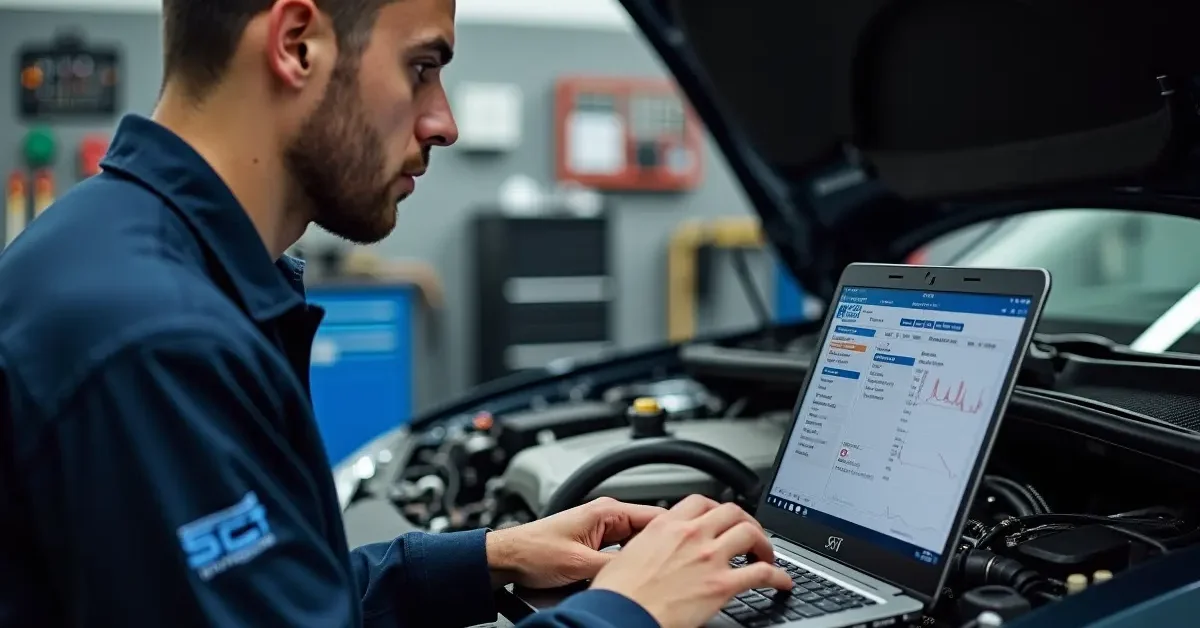
Modern vehicles carry more computing power than many people realize. Beneath the hood sits an engine control unit, often called an ECU, that makes thousands of decisions each minute. This small computer controls fuel delivery, ignition timing, transmission behavior, and many other functions. Vehicle tuning tools allow drivers to interact with those settings in a controlled way.
This article explains how handheld tuning devices work, why drivers use them, and what changes they bring to daily driving and work tasks. It also explains key terms, common use cases, and real-world outcomes. By the end, readers will have a clear picture of how tuning fits into modern vehicle ownership.
Contents
- 1 What Vehicle Tuning Means Today
- 2 A Brief Look at SCT’s Place in Tuning History
- 3 How a Handheld Tuner Works Step by Step
- 4 Common Reasons Drivers Use Tuning Devices
- 5 Real-World Example: A Work Truck Upgrade
- 6 What Makes SCT-Based Tools Popular
- 7 Comparing Factory Settings and Tuned Settings
- 8 Safety, Reliability, and Best Practices
- 9 Expert Views on the Future of Tuning
- 10 Choosing the Right Path Forward
- 11 Final Thoughts
What Vehicle Tuning Means Today
Vehicle tuning once meant mechanical changes like carburetor adjustments or camshaft swaps. Modern tuning focuses on software. The ECU reads sensor data and follows programmed tables, also known as maps. These maps guide decisions such as how much fuel enters the engine or when a gear change happens.
A tuning device connects to the vehicle’s diagnostic port. This port exists on nearly every car and truck built after the mid‑1990s. Through this connection, the device can read factory data and load revised programming that matches the driver’s goals.
Key terms explained
To keep things simple, here are a few common terms explained in plain language:
- ECU (Engine Control Unit): The vehicle’s main computer.
- Tune: A revised set of software instructions for the ECU.
- Data logging: Recording sensor readings while driving.
- Calibration: Matching software settings to engine hardware.
Understanding these basics helps remove mystery from the tuning process.
A Brief Look at SCT’s Place in Tuning History
SCT emerged in the early 2000s as electronic vehicle controls became more advanced. Car makers locked down their software to meet emissions rules and reliability goals. Aftermarket companies then focused on safe ways to adjust those systems without harming engines.
SCT tools gained attention for user-friendly screens and broad vehicle support. Many performance shops adopted them for trucks, muscle cars, and daily drivers. Over time, these tools expanded to support data review and multiple saved tunes.
An automotive engineer interviewed by Engine Builder Magazine once explained, “Handheld tuners changed access to engine data. What took hours on a dyno can now start with a device you hold in one hand.”
How a Handheld Tuner Works Step by Step
Using a handheld tuner follows a simple flow. While the technology inside is advanced, the process remains approachable for most drivers.
- Connection: The device plugs into the diagnostic port under the dashboard.
- Reading stock data: The tuner saves a copy of the factory program.
- Selecting a tune: The driver picks a preset or loads a custom file.
- Flashing the ECU: The new data writes to the vehicle computer.
- Testing: A short drive checks throttle response and shift behavior.
This structure protects the factory settings. Drivers can return to stock programming at any time.
Common Reasons Drivers Use Tuning Devices
People tune vehicles for different reasons. Some focus on power, while others want smoother operation or better control under load.
Performance and throttle response
Factory programming often favors smoothness and emissions. Revised tuning sharpens throttle input and adjusts timing curves. The change often feels like a lighter vehicle, even without hardware changes.
Towing and hauling needs
Truck owners pulling trailers value stable power delivery. Tuning can adjust torque management and transmission shifts, helping the engine stay within a useful range while climbing grades.
Fuel efficiency goals
Some drivers seek improved fuel use during steady driving. Adjusting shift points and throttle sensitivity can reduce wasted energy. Results vary by vehicle and driving habits.
Monitoring vehicle health
Many tuning devices double as digital gauges. They show temperatures, boost pressure, or fuel trim values. This real-time view helps drivers spot issues early.
Real-World Example: A Work Truck Upgrade
A landscaping business in the Midwest ran a fleet of diesel pickups. One truck often struggled while towing equipment between job sites. The owner installed a handheld tuner with a tow-focused calibration.
After installation, the driver noticed steadier gear changes and less gear hunting on hills. Fuel use stayed close to previous numbers, while driver fatigue dropped during long days. The owner later added monitoring displays to watch exhaust temperature, protecting the engine under load.
Stories like this explain why tuning tools appeal to both hobbyists and professionals.
What Makes SCT-Based Tools Popular
Drivers and shops point to several features that shape their choice:
- Clear menus with guided prompts
- Ability to store multiple tunes
- Support for custom calibrations from professionals
- Data logging for review after a drive
One example appears when discussing an sct tuner, which often comes up in conversations about accessible tuning for modern vehicles. This reference reflects how commonly the term appears in truck and car forums.
Comparing Factory Settings and Tuned Settings
The table below shows general differences drivers often report. Results differ by model and setup, yet patterns appear across many vehicles.
| Area | Factory Programming | Tuned Programming |
|---|---|---|
| Throttle response | Soft and gradual | Quicker and more direct |
| Shift behavior | Early upshifts | Adjusted for load and speed |
| Torque delivery | Limited in lower gears | Smoother access to torque |
| Driver feedback | Minimal data | Live sensor displays |
This comparison highlights why tuning appeals to drivers seeking more control.
Safety, Reliability, and Best Practices
Responsible tuning starts with understanding limits. Engines rely on proper air, fuel, and cooling balance. Poor tuning risks heat buildup or mechanical stress.
Professional calibrators test changes on dynamometers and road courses. They watch air-fuel ratios and exhaust temperatures closely. Using trusted files and matching tunes to vehicle hardware protects long-term reliability.
The Specialty Equipment Market Association publishes guidance on emissions-compliant modifications. Following such guidance keeps vehicles running clean and dependable.
Expert Views on the Future of Tuning
Industry analysts expect tuning tools to keep evolving. Vehicles now integrate advanced driver assistance systems and encrypted software. Tool makers respond with secure access methods and expanded data displays.
A powertrain researcher at a major university shared this view in an SAE paper: “Driver-adjustable software will remain part of automotive culture, even as platforms grow more complex. Education and transparency will shape acceptance.”
This outlook suggests tuning will stay relevant across gas, diesel, and hybrid platforms.
Choosing the Right Path Forward
For new drivers, starting with education makes sense. Reading vehicle manuals and learning basic engine terms builds confidence. Many communities share experiences through forums and training videos.
Working with a knowledgeable shop helps match goals with safe tuning choices. Shops often explain each change in clear language and provide follow-up support.
Drivers interested in data often enjoy reviewing logs after trips. This habit builds awareness of how driving style affects engine behavior.
Final Thoughts
Vehicle tuning connects software knowledge with everyday driving needs. Handheld devices opened access to engine data once reserved for engineers. Through careful use, drivers gain smoother response, better feedback, and control that matches real tasks.
Learning the basics, using trusted sources, and respecting mechanical limits form the foundation of positive results. With those pieces in place, tuning becomes another tool for understanding and enjoying modern vehicles.
