
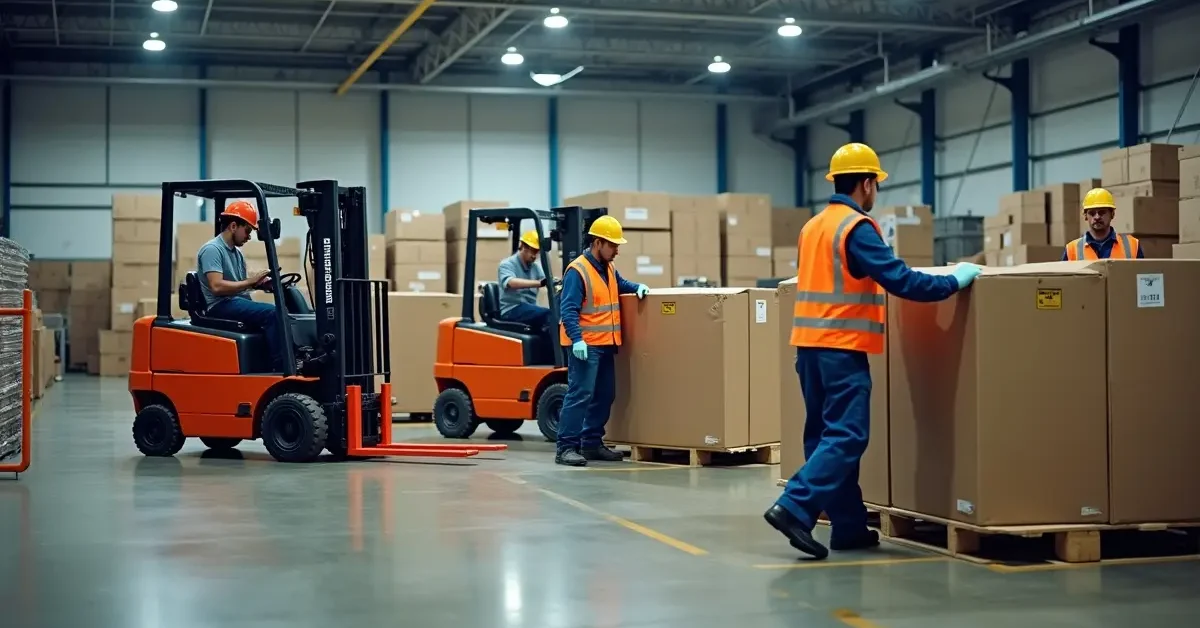
Ensuring employees’ safety during material handling is essential in any workplace. By proactively investing in safety solutions, organizations protect their workforce and improve operational productivity. When handling large or heavy loads, many companies rely on specialized equipment such as heavy duty utility carts to streamline movement and minimize the risk of injuries. Adopting these tools can make daily operations more efficient while safeguarding employees’ well-being.
Creating a safety-focused environment demands a comprehensive approach. This involves not only enhancing physical tools but also implementing policies, regular inspections, and continuous workforce education. By recognizing common risks and implementing effective safety measures, organizations can address challenges across settings, from warehouses to manufacturing plants.
The integration of new technologies and the commitment to maintaining organizational standards are critical elements in minimizing hazards. Regular reviews and adaptation of safety measures are also needed as processes and workplaces evolve. This guide outlines practical solutions and modern strategies for workplaces to ensure safer material handling for everyone involved.
Contents
Understanding Material Handling Risks
Material handling encompasses the movement, storage, control, and protection of materials throughout a workplace’s daily activities. Associated risks include musculoskeletal disorders from lifting or carrying heavy items, equipment-related accidents, and injuries from improper handling or unsafe workflows. Recognizing these dangers allows organizations to tailor safety interventions to their specific processes and environments.
According to the Occupational Safety and Health Administration, thousands of workplace injuries stem from manual material handling each year. Causes range from repetitive stress to inadequate equipment and insufficient training. Prevention starts with identifying these hazards and assessing the frequency and context of material-handling tasks in the workplace.
Ergonomic Equipment and Tools
Implementing ergonomic solutions is one of the simplest ways to protect employees from injury. Adjustable workstations, lift-assist mechanisms, and ergonomic carts can minimize awkward postures and repetitive strain. For example, powered hand trucks and height-adjustable pallet jacks reduce the need for physical exertion during material transfers.
Companies have found that providing purpose-built tools not only decreases injury rates but also increases efficiency. Ergonomic carts can carry heavy loads with minimal effort, lessening the burden on employees and ensuring materials are transported safely and swiftly. Industry experts recommend making ergonomics a key consideration during equipment procurement and layout planning.
Automation and Robotics
Incorporating automation into material handling processes can significantly reduce workplace hazards by limiting human exposure to dangerous tasks. Automated guided vehicles and autonomous mobile robots can move goods through warehouses and factories without human intervention, reducing accidents linked to manual lifting or carrying. These technologies are particularly valuable in high-risk environments or where repetitive tasks are common.
Not only do robotic solutions enhance safety, but they also optimize productivity by working continuously and with high precision. Companies like Amazon and UPS have successfully integrated robotics to move large volumes efficiently, serving as models for organizations looking to modernize their own material handling operations.
Regular Maintenance and Inspections
Routine maintenance of material-handling equipment is essential to prevent unexpected failures that could lead to injuries. Establishing a detailed maintenance schedule ensures that each piece of equipment, from forklifts to conveyors, functions as intended. Inspections before use can help detect worn parts, loose connections, and potential hazards before they become accidents.
Workplaces should document all maintenance tasks, including date, findings, and repairs performed. This not only keeps equipment reliable but also fosters a culture of accountability around safety. Detailed inspection processes should be part of onboarding for all new employees who operate or oversee equipment in the facility.
Employee Training and Education
Comprehensive safety training is a non-negotiable element of any material handling program. Workers should be educated on best practices for lifting, proper equipment use, and emergency response protocols. Regularly scheduled refresher sessions will help employees retain and apply essential safety knowledge, especially when new tools or processes are introduced.
Training programs should also address the specific hazards present in a given workspace. For instance, warehouses with high shelving require instruction on safe ladder usage and load balancing. This targeted education empowers workers to identify potential risks and react appropriately, decreasing the likelihood of preventable incidents. To see the latest recommendations for workplace training, consult the OSHA Safety Training Resource Guide.
Implementing Clear Communication Protocols
Clear, effective communication is critical when coordinating the movement of materials in busy work environments. Implementing protocols such as standardized hand signals, audible alarms, and visible warning signs prevents misunderstandings that can lead to collisions or mishandling. Teams should review these protocols regularly and adjust them in response to workflow changes or employee feedback.
Open communication channels also support quick responses to evolving hazards. Workers who feel comfortable reporting hazards or suggesting improvements are instrumental in maintaining safer workplaces. Regular team meetings dedicated to safety topics encourage ongoing dialogue and collective responsibility.
Organizing Workspaces
An organized workspace lays the groundwork for safe material handling. Persistent clutter, blocked pathways, and haphazard storage can create unnecessary risks. Establishing designated storage zones, keeping aisles clear, and posting visual cues such as floor markings and signs help direct workflow and reduce confusion.
The use of shelving, bins, and safety barriers in high-traffic zones helps keep materials contained and accessible. A clean, well-ordered environment not only keeps employees safer but also increases efficiency by minimizing delays caused by searching for misplaced items or navigating around obstacles.
Conclusion
Safe material handling is a multifaceted responsibility that touches every aspect of workplace operations. By understanding common risks, adopting ergonomic equipment, embracing automation, maintaining tools, promoting ongoing training, fostering clear communication, and organizing work areas, organizations can significantly reduce accidents and boost productivity. These practical strategies contribute to a safer, more efficient workplace and protect the most important asset: the workforce.
